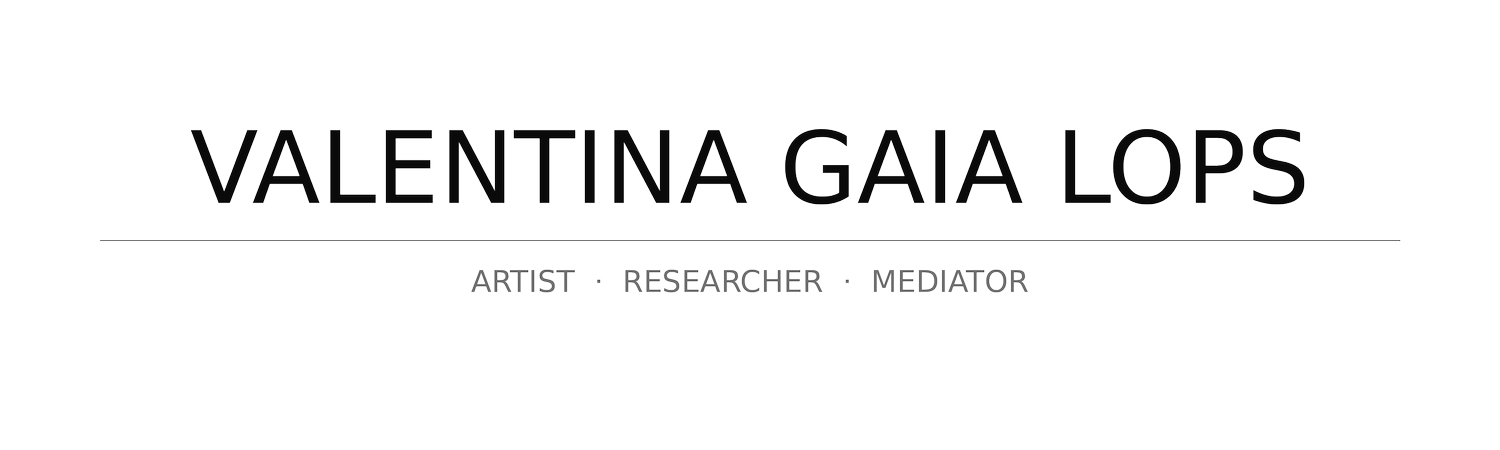
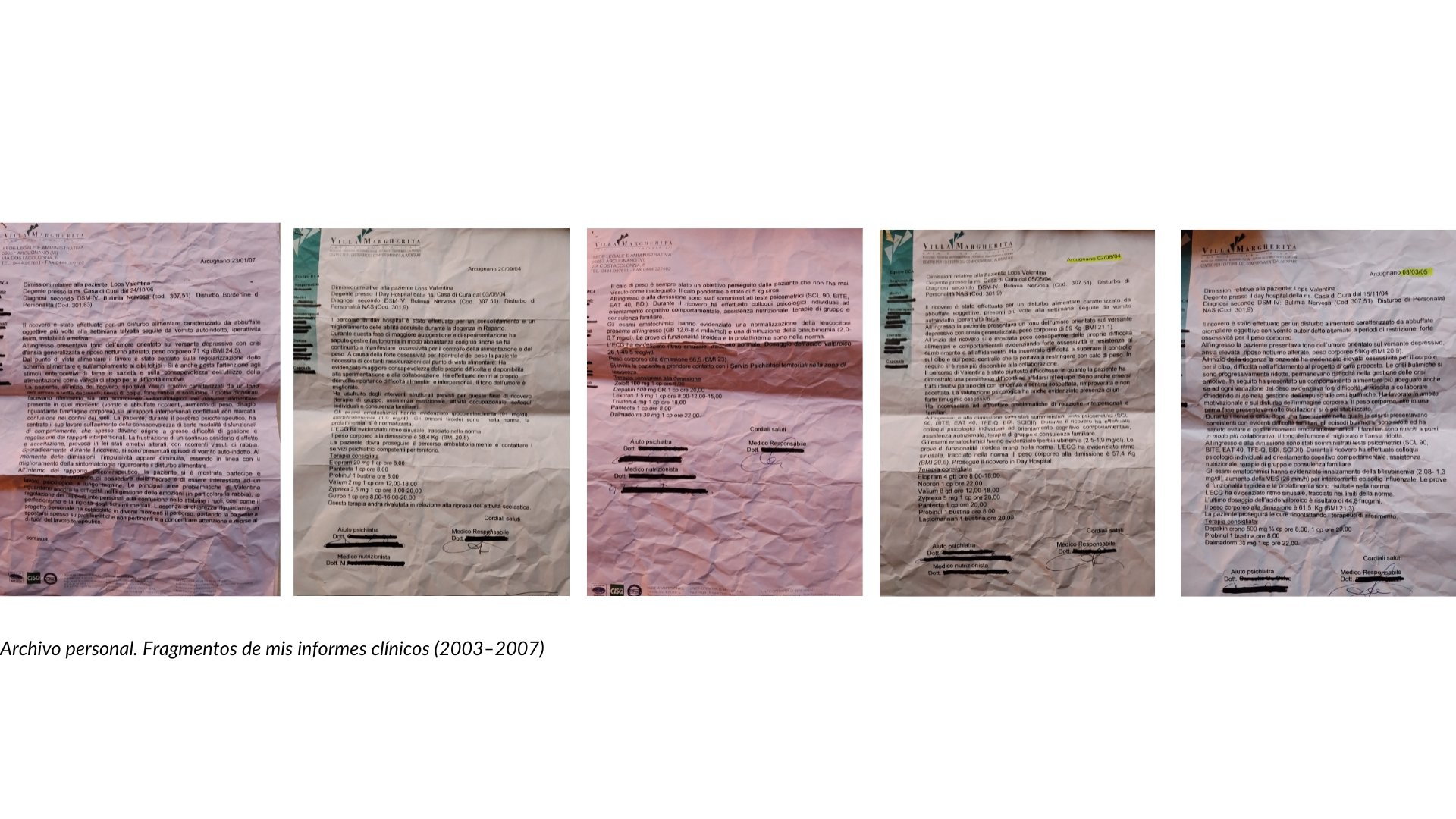
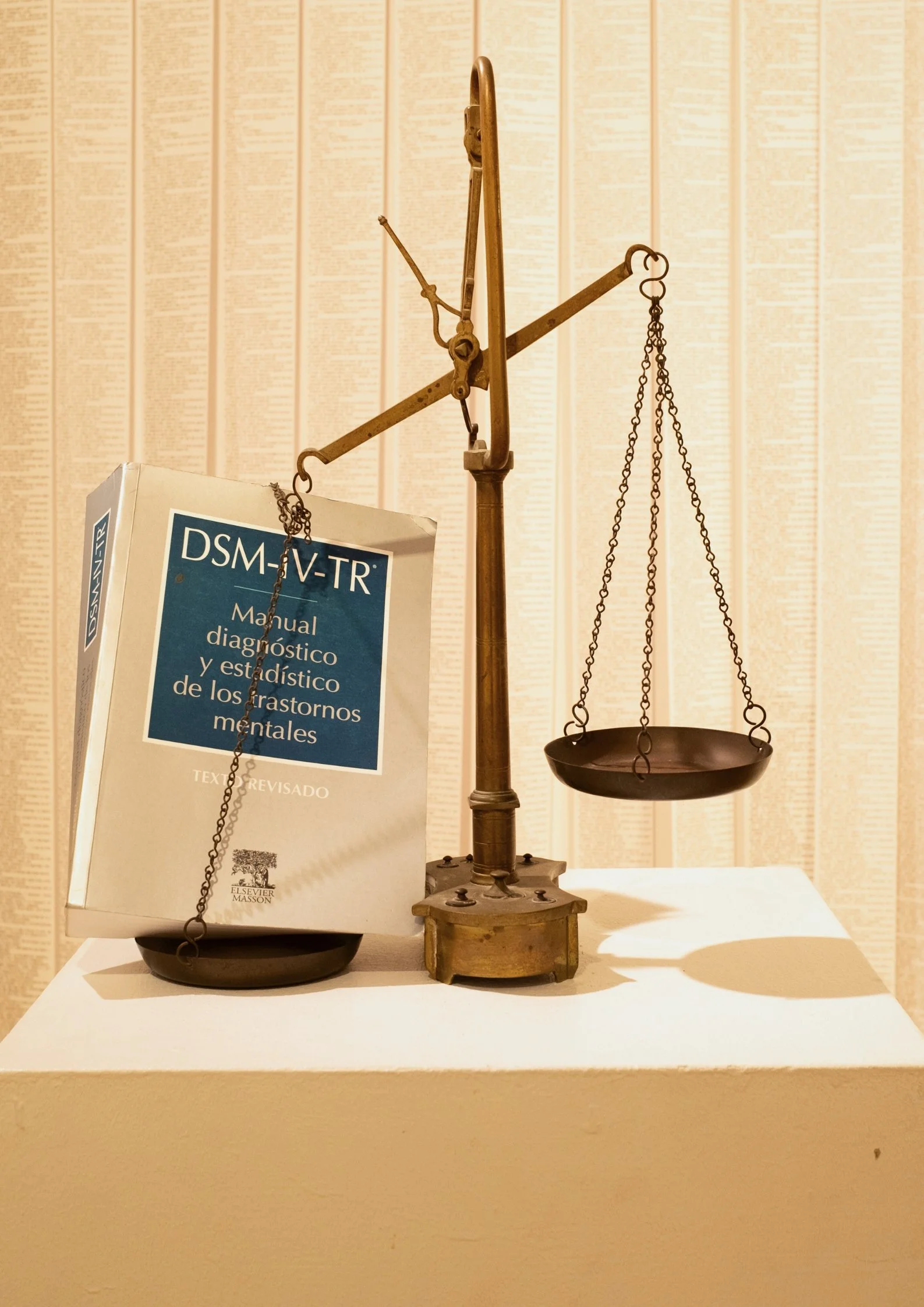
El Informe is a long-term research project that examines how mental health is defined, documented, and governed. Rooted in a critical engagement with clinical reports produced during psychiatric hospitalizations, the work expands into an ongoing investigation of how institutional knowledge is constructed and legitimized.
The research asks whether participatory, experience-based artistic practices can contribute to transforming institutional dynamics and shifting the conditions of care and relation within mental health contexts.
It unfolds through multiple forms—participatory processes, installations, collaborations, and training frameworks—understood as interconnected expressions of the same inquiry.
At its core is a relational methodology that disorients hierarchy and challenges normative structures of knowledge. Through constructed situations of encounter, the work brings together people with lived experience and mental health professionals in spaces where roles are unsettled and authorship is shared.
A central component is Cicles d’Art i Salut Mental, an ongoing, independent group that operates through interdisciplinary artistic practices as a space of collective reflection, agency, and relation.
Across these processes, artistic practice becomes a tool to rethink care—supporting more horizontal, embodied, and relational approaches.
Selected Presentations — El Informe
Fúria (Adonat Programme)
Centre Cívic El Coll – La Bruguera
Barcelona, 2026
Brollem, brollem com brolla la primavera (Jornades Antiestigma)
Ateneu L’Harmonia
Barcelona, 2026
Associated Performative Action
Instruccions per desfer la verticalitat
Presented across both contexts, 2026
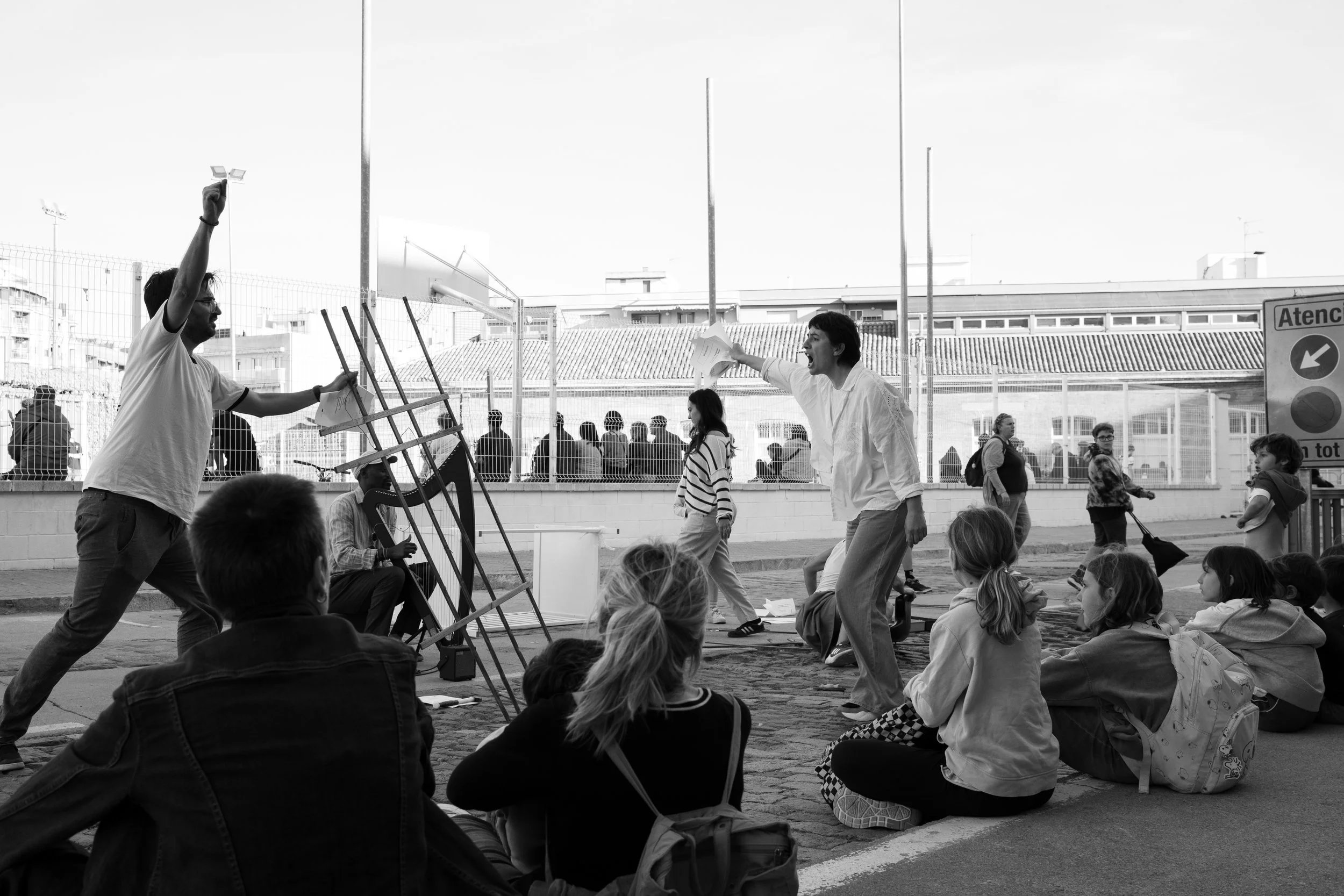
Instructions for Undoing Verticality / Instruccions per desfer la verticalitat
Recinto de la Fabra i Coats, Barcelona
Within the framework of the Anti-Stigma Programme, 2026
Instructions for Undoing Verticality unfolds as a collective performance action developed within the Art & Mental Health Cycles, where the group explores how structures of power take shape in and through the body within psychiatric and mental health systems. Centered around a vertical structure-object, the work engages gestures of dismantling, displacing and reconfiguring its form, activating a shared inquiry into how verticality is embodied and sustained. The action opens into public participation, extending the process beyond the group itself.
Emerging from a process of collective reflection and guided artistic research, the work does not seek to represent these structures, but to intervene in them through action. Alongside it, a manual of instructions—developed through the process and articulated from within it—accompanies and extends the work, offering a set of open prompts for engaging with and undoing verticality beyond the immediate context of the piece.